01
One point of contact
The client has a clear point of contact for follow-up on the building.

Follow-up
A commercial building needs to work well after the keys have been handed over. That is why we follow up on our projects and address matters that arise once the building is in use.
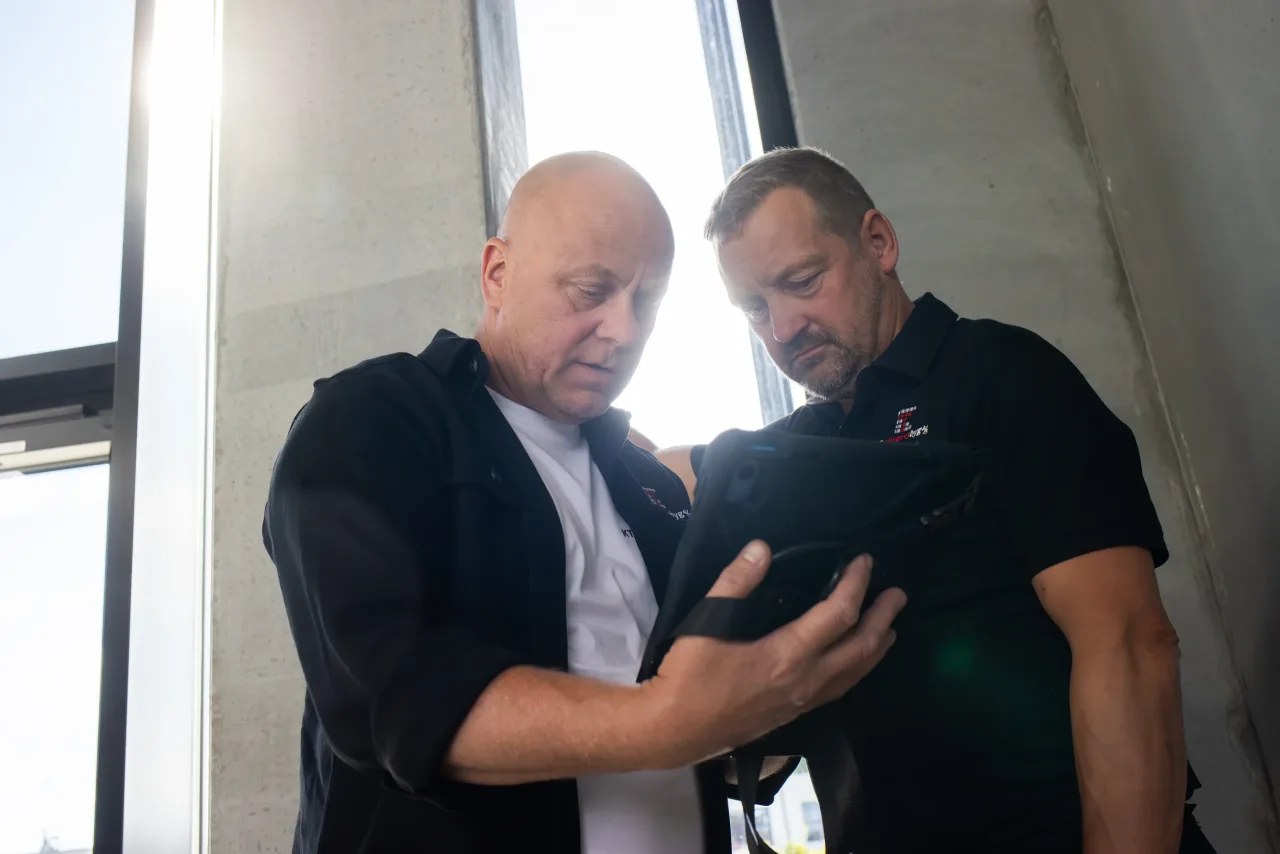
Our one- and five-year inspections team gathers enquiries, coordinates the relevant trades and follows up until the agreed matters have been addressed.
Our strengths
Once a building has been in use for some time, questions or matters may arise that need closer investigation. We ensure enquiries are gathered, assessed and passed on to the right specialists.
01
The client has a clear point of contact for follow-up on the building.
02
Enquiries are assessed and coordinated with the relevant supplier, subcontractor or in-house specialist.
03
We do not simply pass a matter on. We follow it through the process and keep track of what has been agreed.
04
We work on projects that KT Erhvervsbyg has helped deliver, so we can draw on each project’s solutions and history.
When several trades are needed
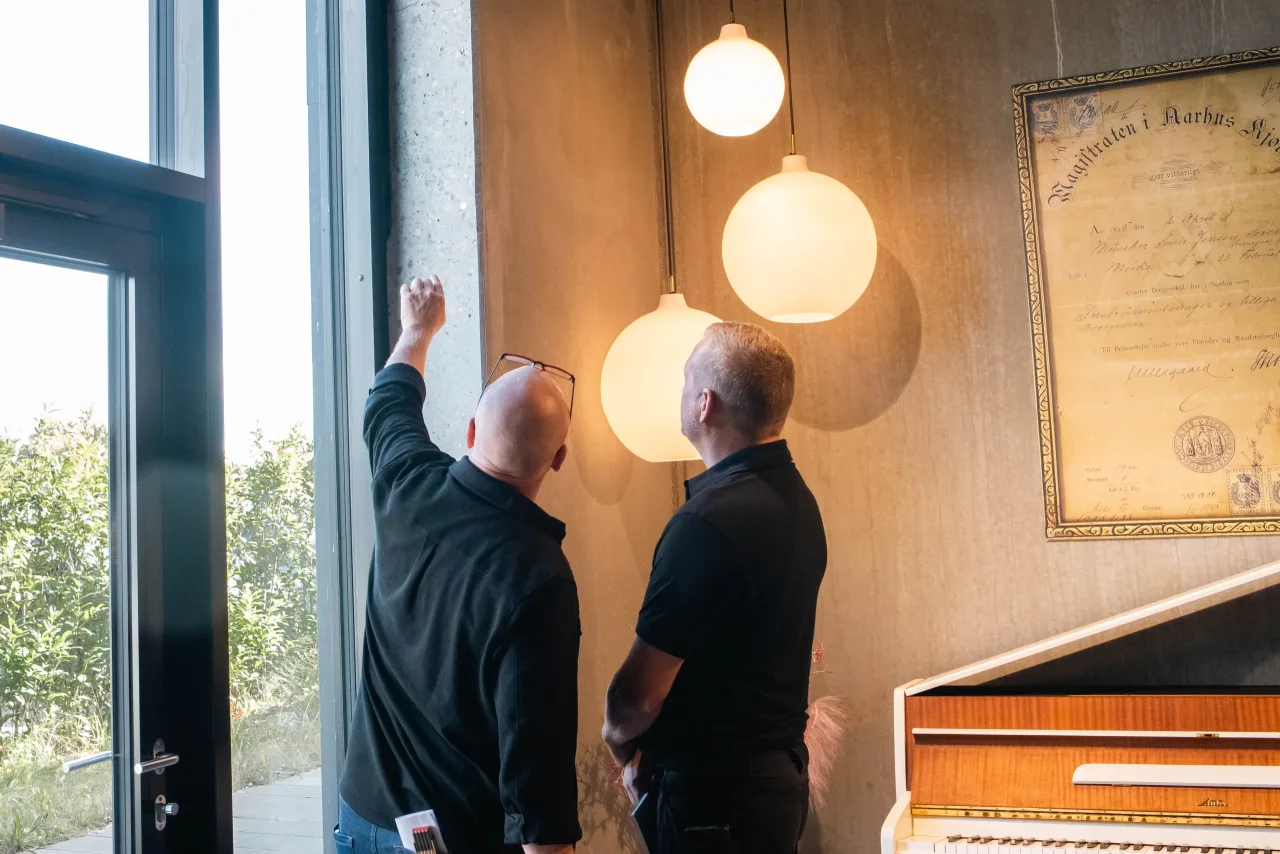
An issue in a completed building can involve several trades. Good follow-up therefore also means identifying where the problem arises and who needs to help resolve it.
Before the inspection
A successful one- or five-year inspection begins before the inspection itself.
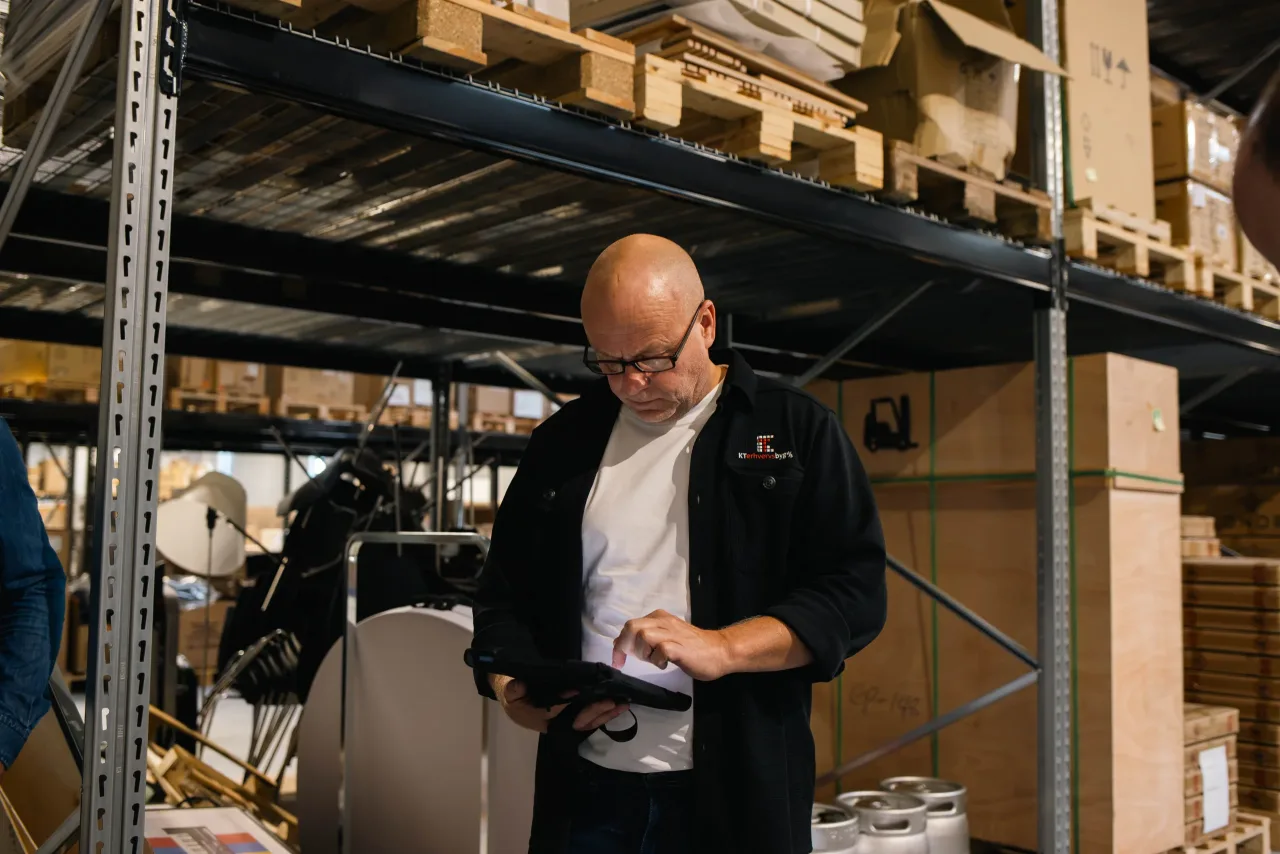
We therefore review the building’s history and recorded matters in advance, so the inspection can focus on what needs attention and clarification.
Previous enquiries and relevant information about the building are reviewed.
Before the scheduled inspection, the building can be reviewed with the relevant trades so matters can be identified and clarified in advance.
Observations and outstanding matters are brought together to provide a clear basis for the subsequent inspection with the client.
After the inspection
An inspection only delivers value when the recorded matters are followed through.
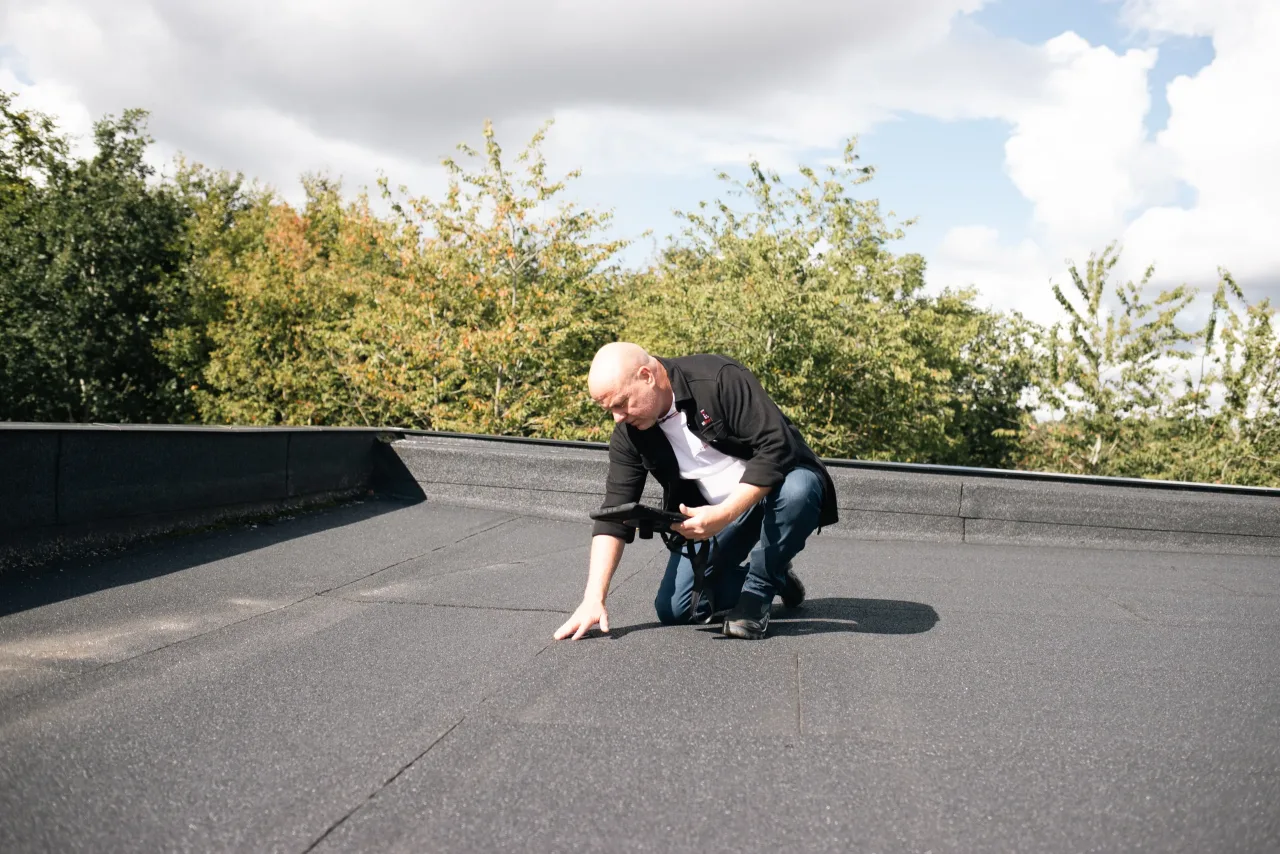
We therefore bring together the relevant points, coordinate with the trades involved and follow up on the agreements made.
The relevant companies and specialists are involved in matters that need investigating or addressing.
The work is agreed and planned with consideration for the company’s day-to-day operations.
We keep track of records, agreements and the subsequent handling of each matter.
Once the agreed matters have been addressed, we complete the follow-up so the case can be closed.
Planned follow-up
As a new building becomes part of everyday operations, the scheduled inspections provide opportunities to follow up at different points in time.
The building comes into use
When the company moves in, the building begins to operate under the conditions it was designed for. Enquiries and observations can be gathered as they arise.
The first experiences
After the initial period of use, the building is inspected, and relevant matters are recorded and followed up.
Follow-up over the longer term
The later inspection provides another opportunity to review the building after several years of use and follow up on relevant matters.
FAQs and advice
It is a scheduled inspection of the building after its initial period of use. Relevant matters are reviewed and recorded so they can be followed up afterwards.
The five-year inspection provides an opportunity to follow up on the building after a longer period of use and review relevant matters with the client.
You do not need to wait for the next scheduled inspection. Contact us so we can record your enquiry and assess how it should be handled.
Our team provides a point of contact for follow-up and ensures the relevant people and specialists are involved.
The recorded matters are gathered and assessed. We then coordinate the next steps with the relevant trades and follow up on the agreements made.
As a rule, we bring together and coordinate the follow-up on our project, so the client does not have to identify the different trades themselves.
That depends on the work involved. When work needs to be carried out in an occupied building, it is planned, as far as possible, around the company’s operations.
It helps to bring together any observations and questions you have about the building. We also review our own records so there is a shared basis for the inspection.